The Athlete Identity Crisis
Growing up, I always wanted to be an athlete.
When people asked me what I wanted to be when I grew up, my answer never changed — a professional athlete.
I committed to that idea early. I trained relentlessly. I pushed myself every day to be better, to separate myself, to excel. I wanted to be great — not just good.
That identity carried me through my early years and eventually to Simon Fraser University in Canada, where I was offered an athletic scholarship to play. But being an athlete wasn’t just something I did — it was who I was.
And then, one day, it was over.
I was told the football program at Simon Fraser University was being shut down.
No transition period. No next season. No “what’s next.”
Just… done.
And with it went the one thing I had built my entire identity around.
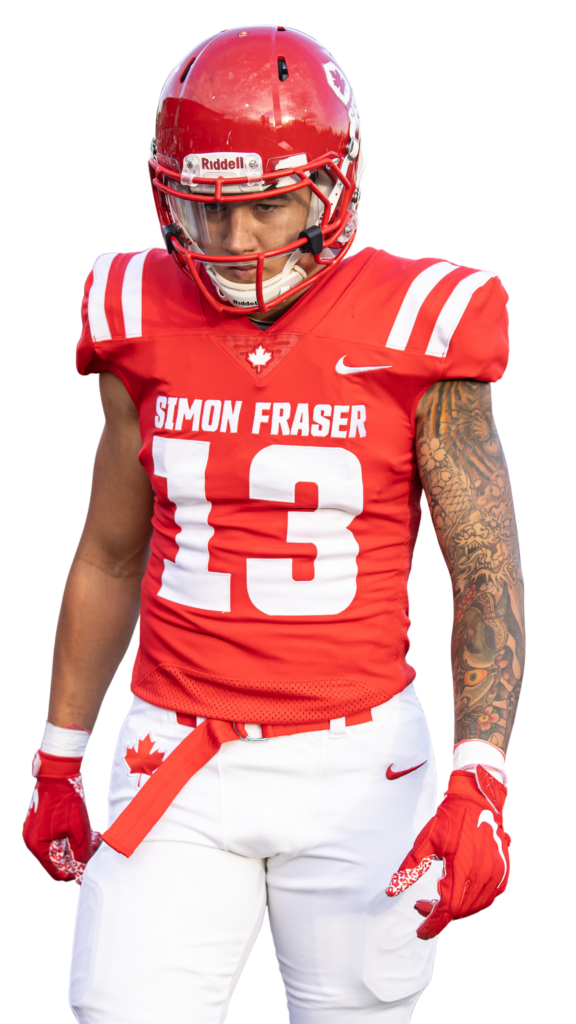
So what does a washed-up athlete with an identity crisis do?
Apparently...
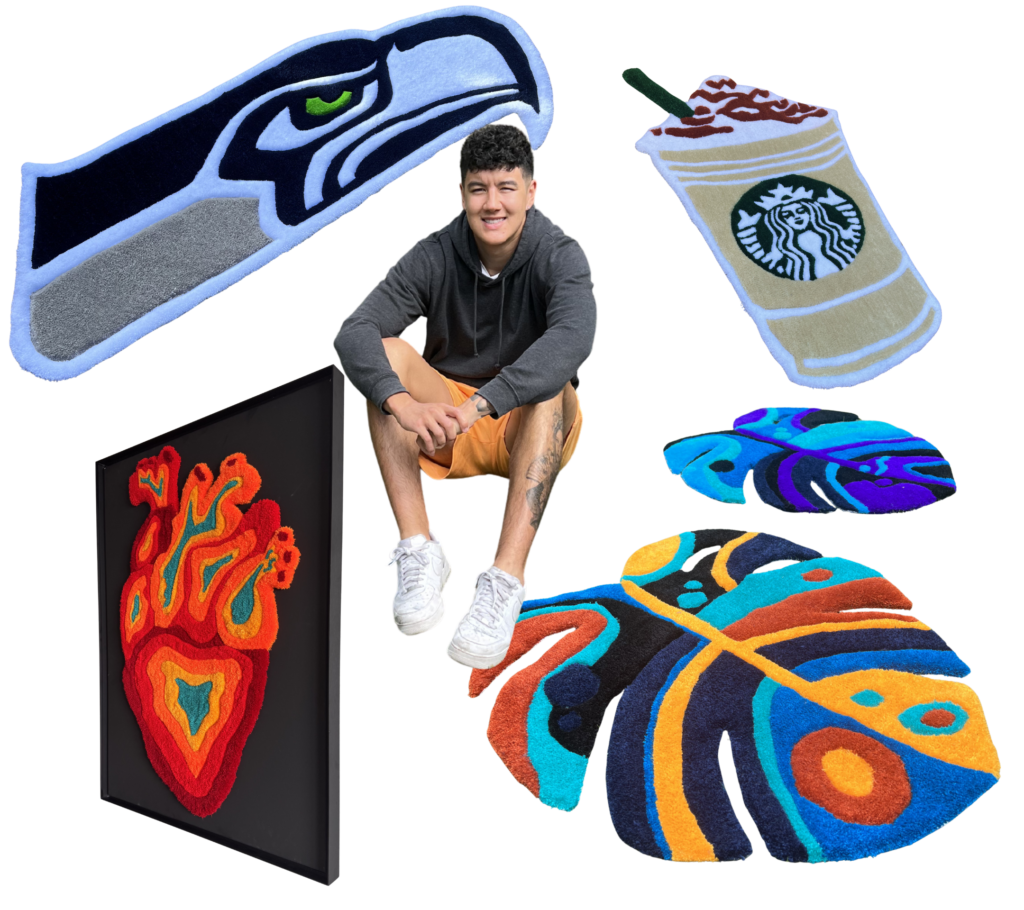
Make rugs
When football ended, I didn’t have a master plan.
I tried things. I experimented. I got uncomfortable.
Somewhere along the way, I started making rugs.
It sounds random — and honestly, it was — but it gave me something I hadn’t felt in a while: FLOW. Creating. Learning. Building something with my hands and seeing it exist in the real world.
It wasn’t about rugs. It was about rediscovering CURIOSITY.
Going from a hyper-competitive environment — where your days are structured, your goals are clear, and your identity is reinforced daily — to “normal life” is jarring.
It’s tough mentally.
It’s tough emotionally.
And in a lot of ways, it’s tough physically too.
Athletes are often mislabeled as one-dimensional — as if their only value comes from what their body can produce.
But that narrative ignores discipline, creativity, adaptability, leadership, and the ability to rebuild from nothing.